
Lock change in Paris 19

Tenant, owner, social landlord: who has to change the lock, and who pays? In the 19th, the question comes up a lot. We change cylinders and locks 24/7, with the price known in advance and an invoice stating exactly what work was carried out.

Lock change Paris 19
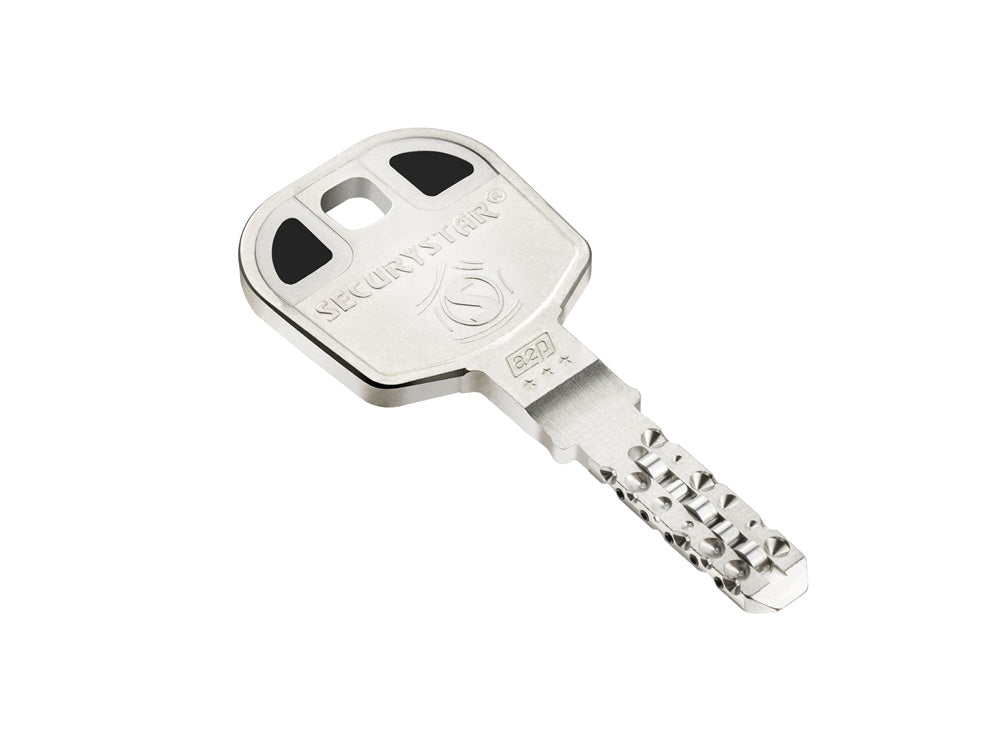
Securystar Cleo security key (Securystar image)

Landlord or tenant: who changes the lock?

The general rule comes from the 1987 decree on tenant repairs: the tenant pays for lost or damaged keys and small lock parts; the landlord, for replacing a lock that is worn out with age or faulty. Your lease may specify these points.

In social housing, the landlord often has a maintenance contract: let them know, or tell the caretaker, before calling anyone out, unless it’s an emergency. If the work is yours to pay for, we carry it out and give you a detailed invoice. If you own your home, or for any other situation, see the lock change in Paris page.

Who pays, as a rule

  • Lost or broken key: the tenant.
  • Lock worn out over time: the owner or the landlord.
  • Lock forced during a burglary: often the insurance, depending on your policy.

Common cylinders and locks: prices

Common cylinders and locks: prices
Model For Price incl. VAT
High-security 30 × 30 cylinderEuro profile cylinder, for a single-point lock Single-point lockfrom €90
Vachette V136-compatible round cylinderAlso fits Iseo City Round cylinderfrom €165
Pollux-compatible cylinder setFor a Pollux three-point lock Pollux lockfrom €325
Single-point lockLock with one locking point Complete replacement€210

Tenants in the 19th: questions about locks

Every lease has its own particularities: if in doubt, your landlord is still the person to ask.

Am I allowed to change my lock without telling the landlord?

Changing the cylinder doesn’t alter the property: it is generally accepted, provided you keep the old one and can put it back when you move out. For anything involving the door itself, ask for the landlord’s written consent.

Who pays if the lock has been forced?

Most often, your home insurance, if your policy covers theft or attempted theft: report the claim promptly and attach the locksmith’s invoice. A police report is generally required.

Do I have to return all the keys when I leave?

Yes: all the keys you were given when you moved in, and the old cylinder if you replaced it. The check-out inventory verifies this.

Can a door chain be fitted in social housing?

Yes, it’s a small fitting, but it is screwed into the door and the frame: ask for the landlord’s consent. It lets you open the door to a stranger without letting them in.

Homes in the 19th, locks for the 19th

Large housing estates, private residential blocks, town houses: each type of home has its own locks.

Avenue de Flandre and the Orgues de Flandre

In the towers and slab blocks of the 1970s, most front doors close with the lock the landlord originally fitted: changing the cylinder is the rule, replacing the whole lock the exception.

  • Avenue de Flandre
  • Rue Riquet
  • Rue Archereau
  • Rue Mathis

Place des Fêtes

Residential towers and apartment buildings around the square: a lot of social housing, with standard front doors. In a flat you have bought, an A2P-certified lock can replace the original one.

  • Place des Fêtes
  • Rue des Fêtes
  • Rue Compans
  • Rue de Belleville

The Mouzaïa villas

Individual houses whose front door opens straight onto the villa, the cobbled lane: a multipoint lock is a worthwhile upgrade on the original lock.

  • Rue de Mouzaïa
  • Villa du Progrès
  • Rue de la Liberté
  • Rue du Général-Brunet

Around the Buttes-Chaumont

Stone and brick buildings on the streets bordering the park: flats in co-owned buildings, where owners and tenants share the floors. Security cylinders and three-point locks are common here.

  • Rue Manin
  • Avenue Simon-Bolivar
  • Rue Botzaris
  • Avenue Secrétan

For an emergency or a security door in the 19th, see the locksmith Paris 19 page.